
Commercial equipment leasing · Canada
Use the asset. Plan the commitment.
Leasing can put trucks, trailers and equipment to work with defined payments and end-of-term choices. We help you understand how a lease compares with a loan — before you sign anything.
What leasing is
A contract to use — with options at the end.
In a lease, a leasing company provides the asset and you make regular payments to use it for an agreed term. What happens afterwards depends on the agreement.
Some businesses lease to align payments with how an asset earns, to refresh equipment on a regular cycle, or to keep other credit available. Others prefer to own outright. Neither is universally better — the right answer depends on your cash flow, how long you’ll use the asset and your accountant’s view.

Lease or loan
Side by side, in plain language.
General differences only — every agreement is different, so always read the actual terms.
| Consideration | Lease | Loan |
|---|---|---|
| Ownership | The lessor owns the asset during the term; your options at the end depend on the agreement. | You typically own the asset, with the lender holding security until it’s repaid. |
| Up-front cost | Often structured with a first payment and/or deposit; varies by agreement. | Often involves a down payment; amount varies with the asset and the file. |
| Payments | Fixed payments for an agreed term to use the asset. | Payments repay principal plus interest over the term. |
| End of term | Return, renew/extend or purchase — as set out in the contract. | Once repaid, the asset is yours free of that financing. |
| Upgrading | Can suit businesses that refresh equipment on a regular cycle. | Upgrading usually means selling or trading in the owned asset. |
| Accounting & tax | Treatment depends on the agreement — ask your accountant. | Treatment depends on your situation — ask your accountant. |
- You expect to upgrade the asset on a regular cycle
- You value predictable payments for a defined term
- You’d rather decide on ownership at the end of the term
- Your accountant sees advantages for your situation
- You plan to keep the asset for most of its working life
- You want to build equity in the asset from day one
- You prefer no end-of-term return conditions
- You may modify the asset to suit your operation
Commonly leased
From the highway to the clinic.
Assets regularly discussed for leasing. Other equipment types can be reviewed case by case.

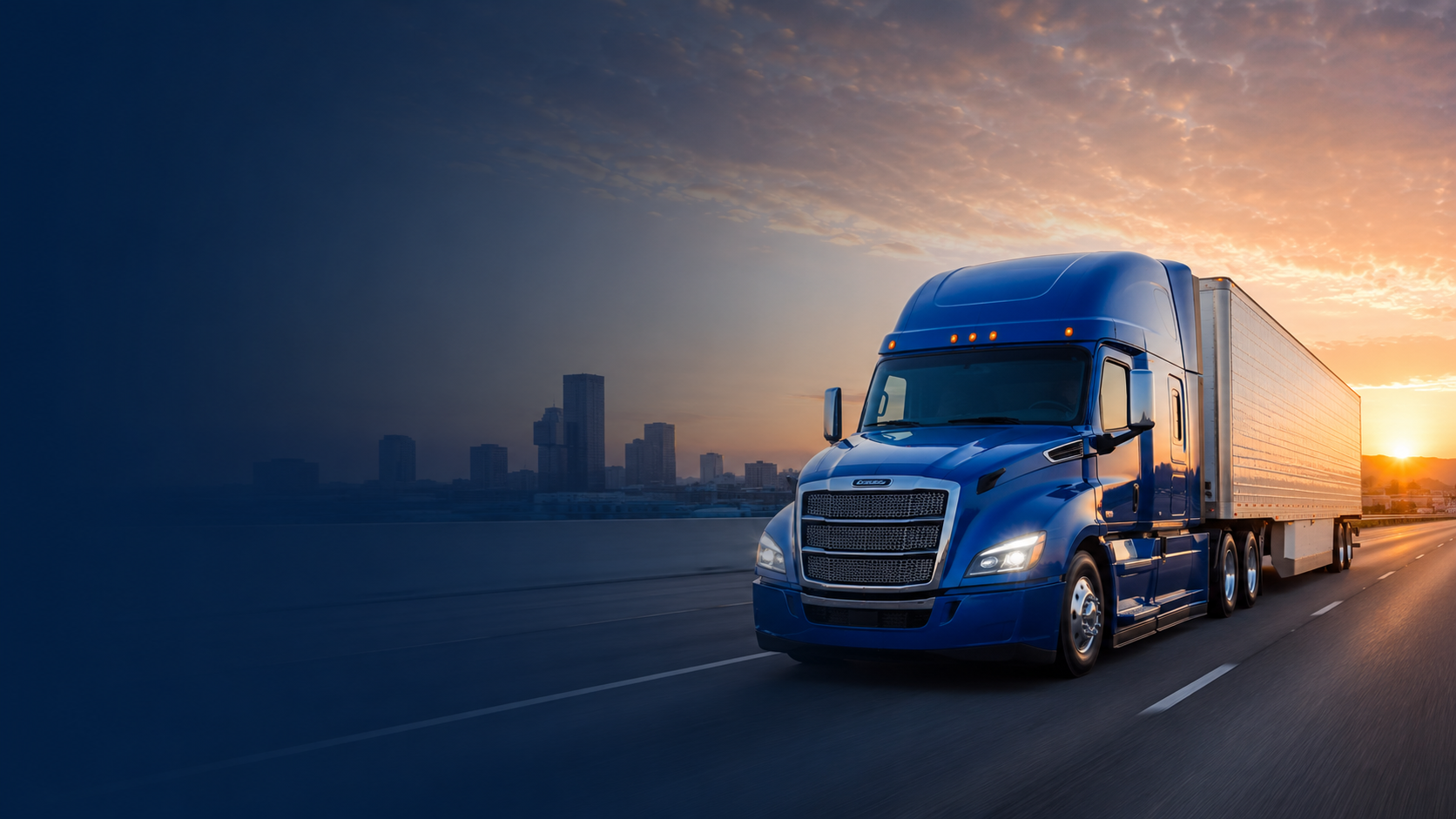
Trucks & tractors
Sleeper and day-cab units for owner-operators and fleets.
Trailers
Dry vans, reefers, flatbeds and specialty trailers.
Warehouse equipment
Forklifts, racking-adjacent and material-handling gear.
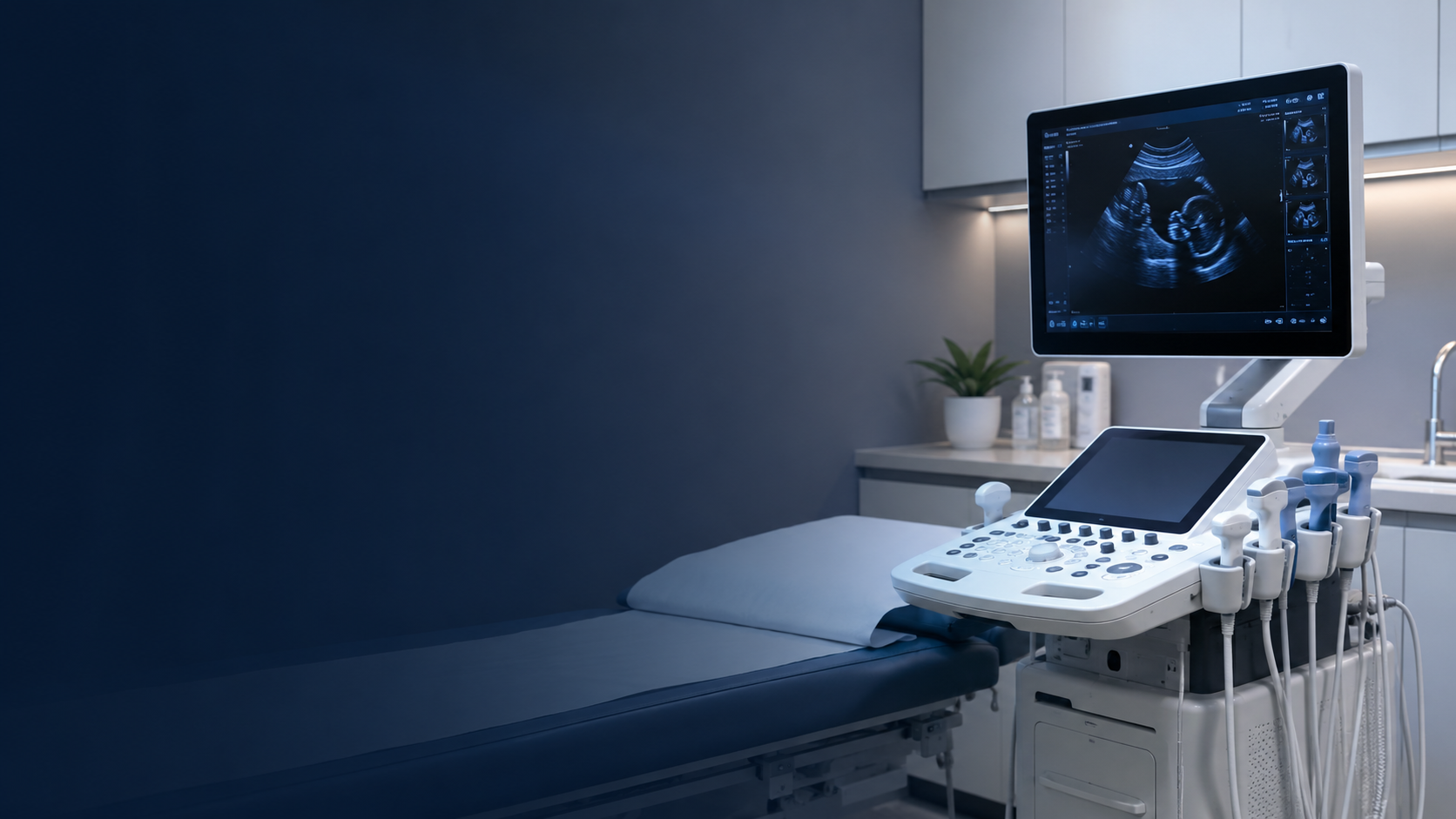
Medical equipment
Ultrasound, X-ray and diagnostic systems.

Dental equipment
Operatories, chairs, imaging and clinical equipment.
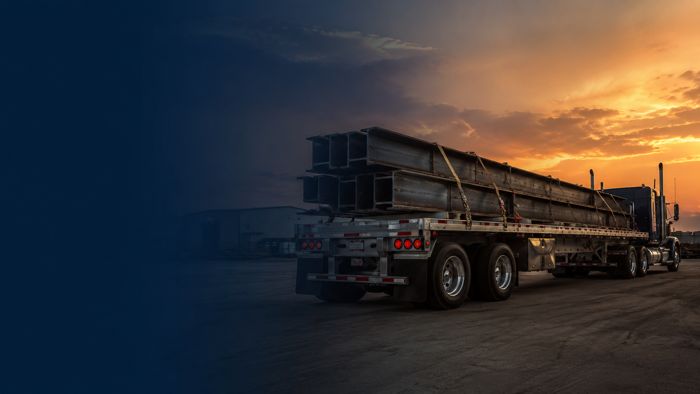
Construction & industrial
Construction and heavy equipment reviewed case by case.
Before you sign a lease
Six questions worth asking.
Bring these to any leasing conversation — including ours. Good answers make for a lease you won’t regret.
01Total commitment
What is the total of all payments, plus any deposit, fees and the end-of-term cost?
02End-of-term options
Can I return, renew or purchase — and how is a purchase amount set?
03Condition & use
Are there wear-and-tear standards, hour or kilometre limits, or return conditions?
04Early exit
What happens if my business needs to end the lease early?
05Insurance & maintenance
Who insures and maintains the asset, and what proof is required?
06Accounting & tax
How will my accountant treat this agreement for my business?
Good questions. Clear answers.
Leasing, clearly answered.
Straight answers to what business owners ask us most. If your question isn’t here, call or message — we’re happy to explain.
Is leasing cheaper than a loan?
Not automatically. Compare the total of all payments, any up-front amounts, fees and the cost of your end-of-term choice. Sometimes a lease costs more in total but suits cash flow or upgrade plans better; sometimes a loan is the better fit.
What happens at the end of a lease?
It depends on the agreement. Common options include returning the asset, renewing or extending, or purchasing it for an amount set in the contract or determined at the time. Confirm your options — and their cost — before signing.
Are lease payments tax-deductible?
Tax treatment depends on the type of agreement and your business’s situation. Please speak with your accountant — we don’t provide tax advice.
Can I lease used equipment or trucks?
Used assets can be reviewed. Age, condition, hours or kilometres and the seller all affect what lenders will consider, so share as much detail as you can.
Your ambition deserves a conversation
Thinking about a lease?
Tell us about the asset, how long you expect to use it and what matters most. We’ll explain the options and what lenders will need to see.